
 VI
VI EN
EN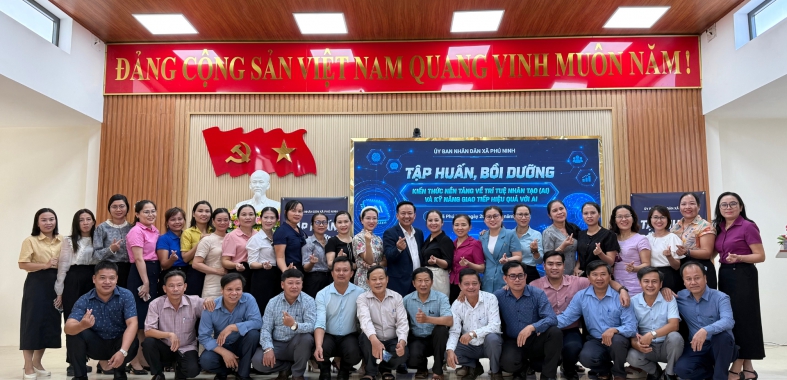
AI TRAINING IN PUBLIC ADMINISTRATION: FROM A TRAINING COURSE TO REAL-WORLD APPLICATION CAPABILITY
Following a series of training programmes entitled “Applying AI in Public Administration”, jointly organised by MobiFone Da Nang and communes across Da Nang City, Lead Expert Phạm Tô Hoài - Founder of Lead-UP Academy - shared his reflections on the initial outcomes, areas requiring improvement, and the conditions necessary for AI training to generate meaningful value.
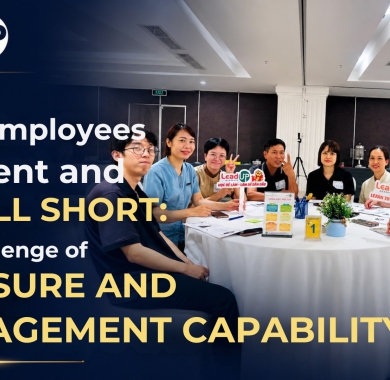
When Employees Fall Silent and KPIs Fall Short: The Challenge of Pressure and Management Capability
In business management, certain signs may appear unrelated on the surface but, in reality, reflect the same systemic issue. A team that is becoming increasingly less willing to debate in meetings and a team that consistently fails to meet its KPIs may be two manifestations of the same management gap: managers have not accurately identified the factors constraining performance and have not created an environment in which real problems can be openly discussed.

Do employees leave because of the company or their manager?
Employee turnover is not merely an issue for the Human Resources department. From the perspective of business operations management, every employee departure can generate a series of consequences: workflow disruption, loss of organizational knowledge, increased pressure on remaining employees, additional recruitment and training costs, and a direct impact on the quality of customer service.

IS GEN Z DIFFICULT TO MANAGE, OR HAVE OUR MANAGEMENT METHODS BECOME OUTDATED?
A fairer question should be asked: Is Gen Z truly difficult to manage, or are some management practices that worked effectively in the past no longer suitable for the new context?

05 Small Actions That “Touch” the Customer
In customer experience management, organizations are often drawn to major concepts such as CX strategy, digital transformation, personalization, artificial intelligence, or customer relationship management systems. However, from the customer’s perspective, experience is not perceived through strategic documents, organizational charts, or slogans displayed in the office.

“The trust account”: The invisible foundation that determines the speed of organizational operations
In modern management, many enterprises invest heavily in processes, technology, KPIs, dashboards, and control systems. However, there is an “invisible infrastructure” that directly influences the speed of coordination, the quality of decision-making, and execution performance: trust.


