 VI
VI EN
EN
Applying AI in Management & Operations
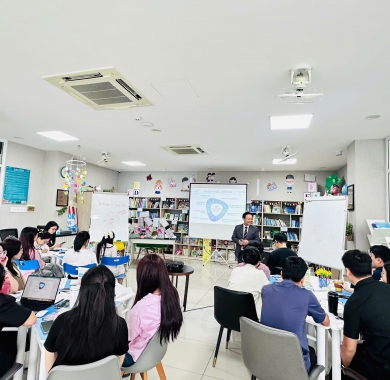
In our recent training programs on AI applications, we observed a common reality: departments are overloaded with administrative tasks, reporting, procedures, and decision-making in an increasingly volatile environment. Leadership wants innovation, employees want less pressure, but the recurring question is: Where can AI be applied concretely in management and operations, and how can it avoid becoming another burden?
E-learning & AI: The Future of Corporate Training
We have encountered this story in many Vietnamese companies—from large corporations to SMEs. And we realize one thing: traditional training is no longer sufficient to meet today’s challenges. When the market changes every day, when technology penetrates every corner of work, teaching and learning must also transform. That is when E-learning and AI become the answer.
Adaptive Learning Culture & Practical Training
When training fails to deliver results, it not only wastes resources but also creates negative sentiment, making it harder for the organization to implement future programs. Turning Every Course into “Learning to Act – Acting to Grow”

Developing Successor Teams
During a working session with a large manufacturing company in Southern Vietnam, I heard a troubling story: the plant director suddenly resigned to join a competitor. The problem was not about hiring a replacement, but about the fact that the company had no one ready to step in immediately. More than 300 workers were left waiting for direction, production plans stalled, and customers complained about delayed orders.