
 VI
VI EN
EN
Vietnamese Businesses: Three Major “Bottlenecks” in the Digital Transformation Journey
Digital transformation is no longer a new concept. From large corporations to SMEs, everyone talks about applying technology, AI, and data to boost productivity and optimize operations. However, in reality, most Vietnamese businesses are still “transforming” in words but not truly “changing” in practice. Many technology projects remain unfinished, software systems are left unused, employees feel frustrated, and leaders grow impatient — “We’ve invested, but where are the results?” The problem doesn’t lie in technology itself. It lies in people and the approach.

Vietnamese Businesses: Three Major “Bottlenecks” in the Digital Transformation Journey
Digital transformation is no longer a new concept. From large corporations to SMEs, everyone talks about applying technology, AI, and data to boost productivity and optimize operations. However, in reality, most Vietnamese businesses are still “transforming” in words but not truly “changing” in practice. Many technology projects remain unfinished, software systems are left unused, employees feel frustrated, and leaders grow impatient — “We’ve invested, but where are the results?” The problem doesn’t lie in technology itself. It lies in people and the approach.

Continuous Improvement Culture: Starting from Small Changes Made by Employees
During a training session with a production team at a factory in Central Vietnam, I asked: “How many of you have noticed a small mistake that happens every day, but thought… well, it’s the manager’s problem?”

Lean – Kaizen – Agile: “The Three Keys” to Help Small and Medium Enterprises Thrive Sustainably in the VUCA Era
Vietnam’s economy is entering a challenging phase: markets are volatile, input costs are rising, consumer behavior is shifting, skilled labor is scarce, and customers are becoming increasingly demanding.

Building and Standardizing SOPs – Transforming from Personal Experience to Standardized Procedures
Throughout our journey accompanying many service enterprises in Vietnam, we at Lead-UP Academy have repeatedly encountered familiar situations: the business is growing, customers are increasing, yet internal operations begin to get... “messy.” Senior employees work based on habit. New employees work based on personal interpretation. And leaders become weary because “everything depends on people” when there is still no clear operational system with standardized procedures and practices.
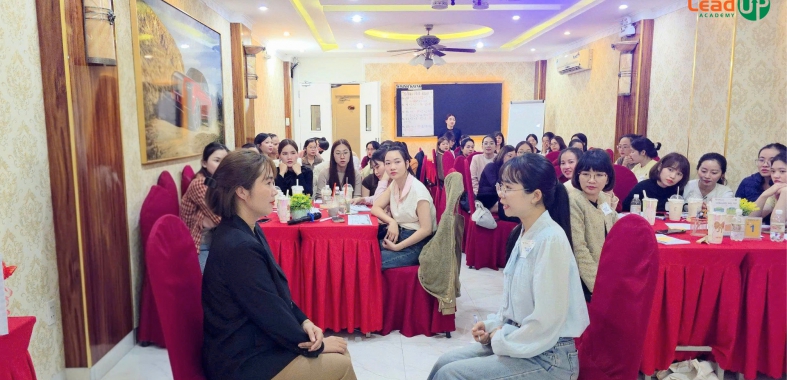
Coaching and Mentoring Gen Z in Vietnamese Enterprises
In modern human resource management, the 9 Box Grid (Performance – Potential) model is commonly used to classify employees. For Gen Z, this is an important tool that helps organizations identify who needs additional professional training, who requires coaching to improve performance, and who should be mentored to develop leadership potential. This context shows that coaching and mentoring are not merely management techniques but strategic approaches to building a sustainable succession pipeline.


